Yesterday, January 26, Apple announced a new AirTag. It remains one of those Apple accessories that you only truly appreciate after you lose your keys, wallet, or suitcase once. Since Apple decided to refresh it, it makes sense to take a closer look and explain what actually changed.
Table of Contents
What Apple Actually Changed in the New AirTag
This release marks the first AirTag update since 2021. Apple does not call it AirTag 2 or add any suffix, and officially, it is simply a new AirTag. Apple focuses on internal improvements rather than a visual refresh. The AirTag still targets the same use cases as before, but it now performs better in areas that actually matter for everyday tracking.
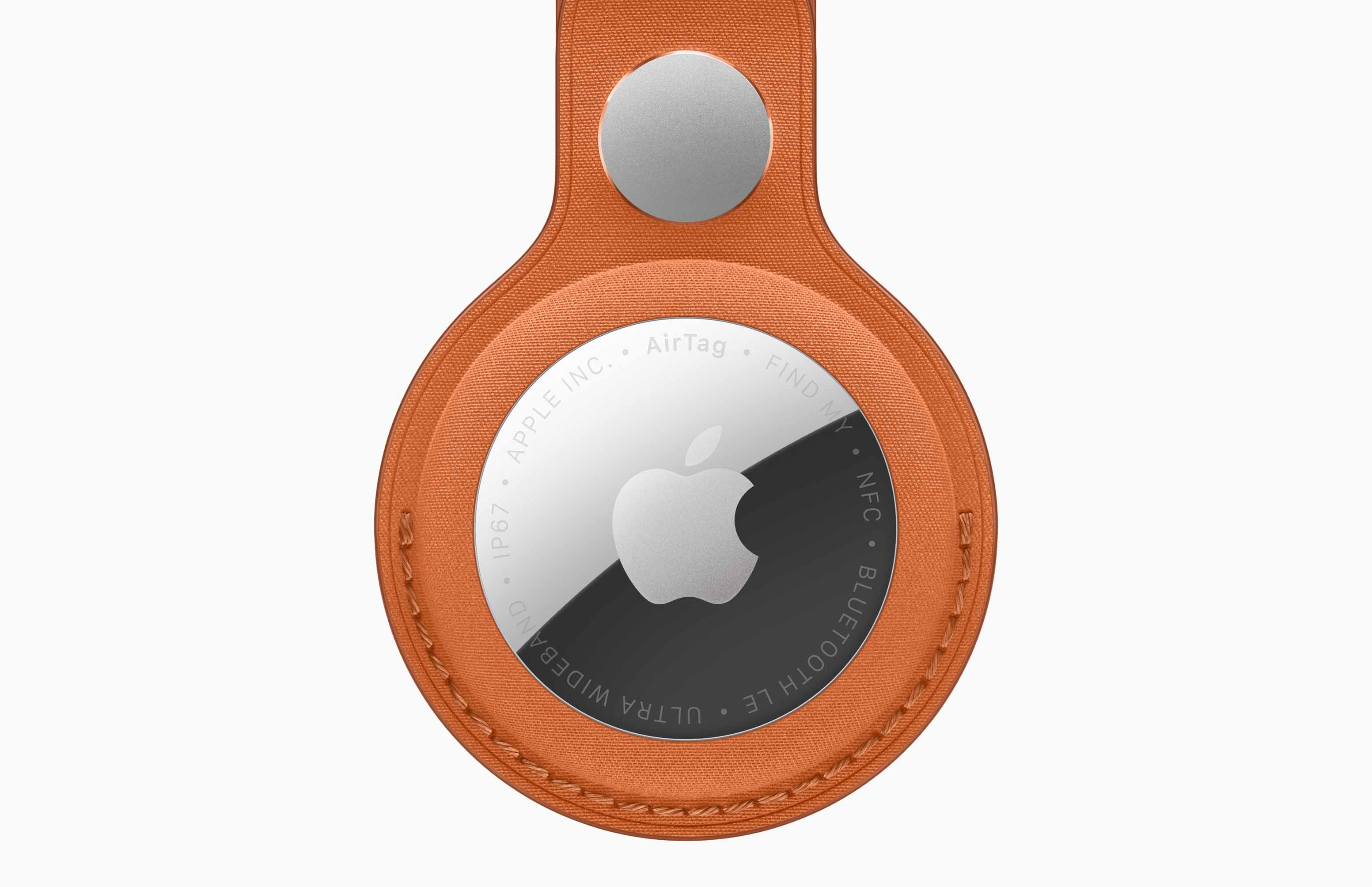
- Despite earlier rumors, Apple keeps the same round AirTag design. It does not become thinner, flatter, or card-shaped. The new AirTag looks identical to the 2021 version. This decision also means that all existing accessories remain compatible. Key rings, luggage loops, bike mounts, and holders still work. Anyone who invested in accessories does not need to replace them. Anyone who hoped for a wallet-friendly card shape will need to keep hoping.
Source: Apple website
- The most important change sits inside the device. The new AirTag uses Apple’s second-generation Ultra Wideband chip. This upgrade extends the Precision Finding range by up to 50 percent compared to the original model. In real use, this affects more than numbers on a spec sheet. The Find My app now guides you to lost items from farther away, which matters in parking garages, airports, office buildings, and large homes (you spend less time walking in circles while your phone insists you are very close).
- Apple also upgraded the built-in speaker. The new AirTag plays sounds at up to 50 percent higher volume, and Apple redesigned the alert tone to stand out more clearly. If your keys hide under a couch cushion, the AirTag now protests louder.
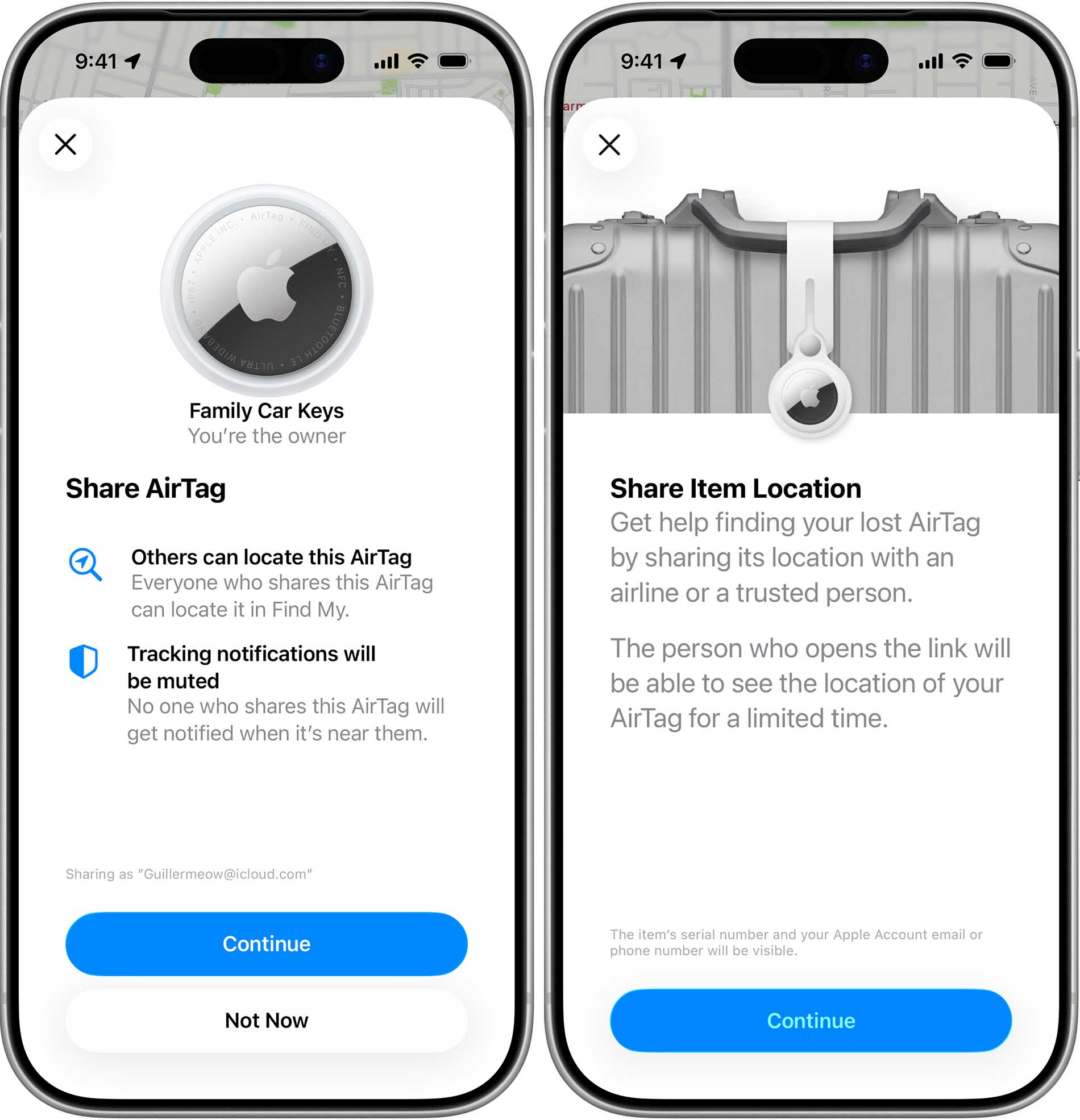
- One of the most practical additions is Share Item Location. With the new AirTag, users can share the location of an item with up to five other people directly through the Find My app. This feature works in real-world scenarios that the original AirTag handled poorly, so you can now share luggage tracking with a travel companion, let a family member track shared car keys, or give a friend temporary access to an item during a trip.
Source: Apple website
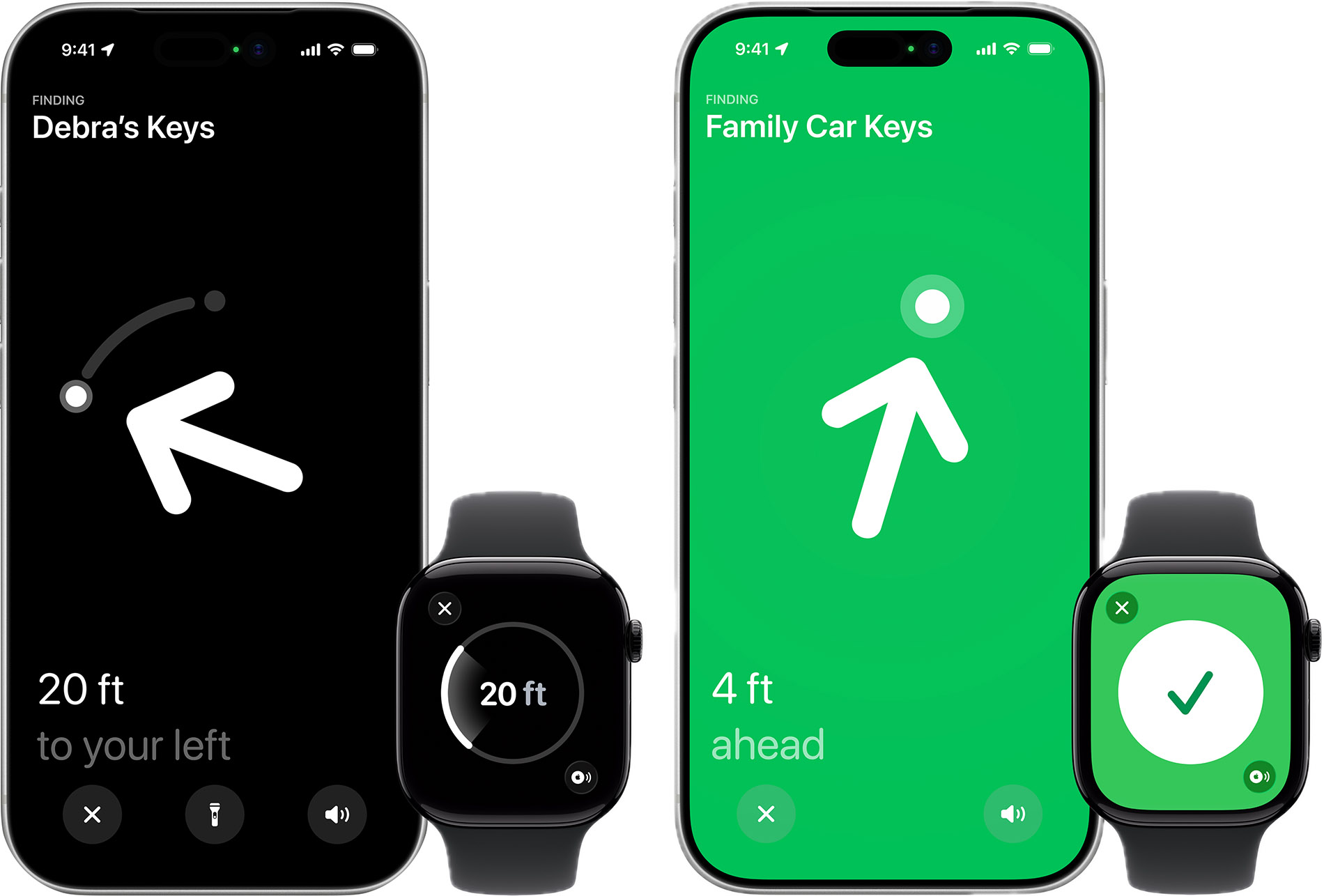
- Precision Finding now works directly on supported Apple Watch models. The watch provides distance, direction, and haptic feedback, without requiring an iPhone in hand. It also reinforces Apple’s ecosystem approach, where small accessories gain value through device integration rather than standalone features.
Source: Apple website
Apple clearly chose refinement over reinvention. The new AirTag improves range, sound, and shared tracking in ways that directly affect daily use. It tries to work better, which for an AirTag feels like the correct priority.
Where the New AirTag Works and What You Need
The new AirTag works within Apple’s existing Find My ecosystem, and Apple does not change the overall compatibility rules in a dramatic way. Still, there are a few important details worth noting:
- To set up and use the new AirTag, you need an iPhone or iPad that runs iOS 26 or iPadOS 26 or later. Older versions do not support the updated hardware features, so this AirTag clearly targets users who keep their devices up to date.
- Once paired, the AirTag appears in the Find My app across all supported devices that sign in to the same Apple ID. This includes iPhone, iPad, Mac, and Apple Watch. Item location remains visible through iCloud.com as well, which helps in cases where no Apple device sits nearby.
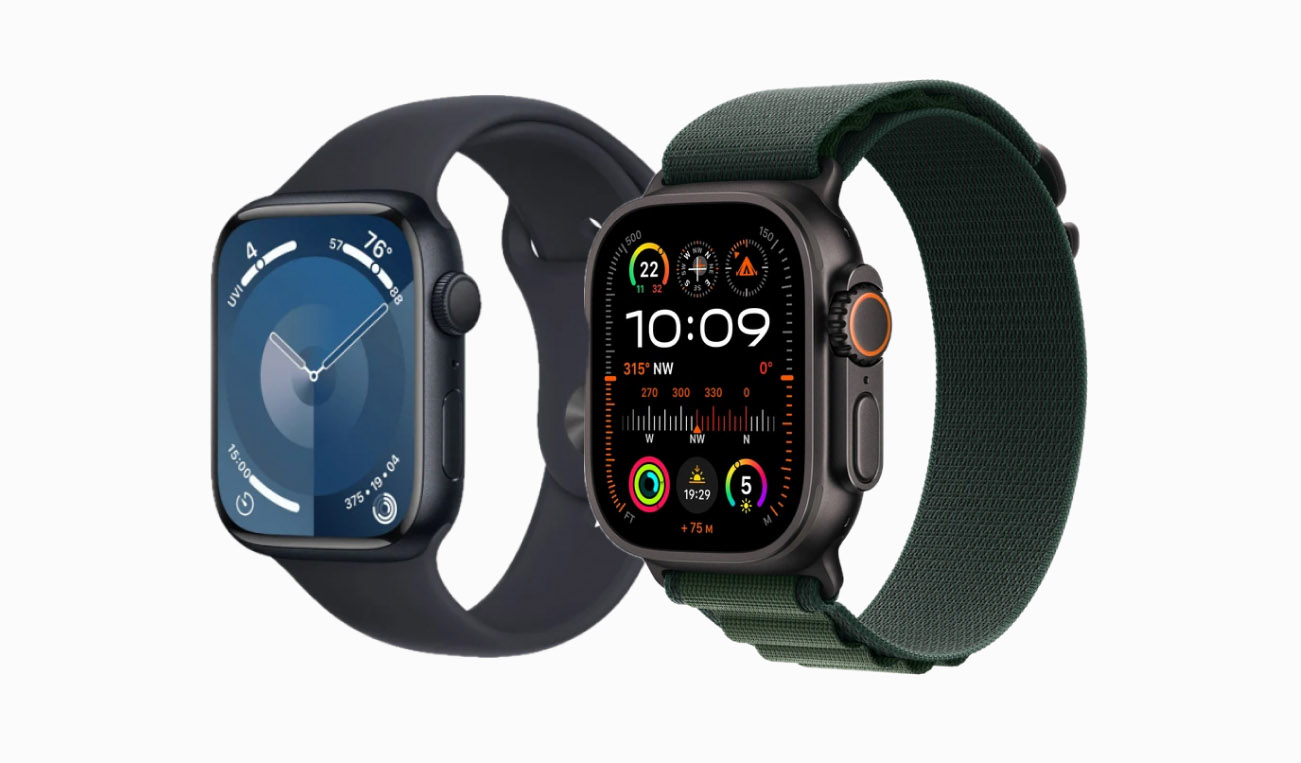
- One notable change affects Apple Watch users. The new AirTag supports Precision Finding directly on compatible Apple Watch models, without requiring an iPhone. This feature works on Apple Watch Series 9 and newer models, as well as Apple Watch Ultra 2 and later.
When You Can Buy the New AirTag and at What Price
Apple keeps pricing exactly where it was before. The new AirTag costs $29 for a single unit and $99 for a four-pack. Apple does not raise the price despite the hardware updates, which feels almost generous by current standards.
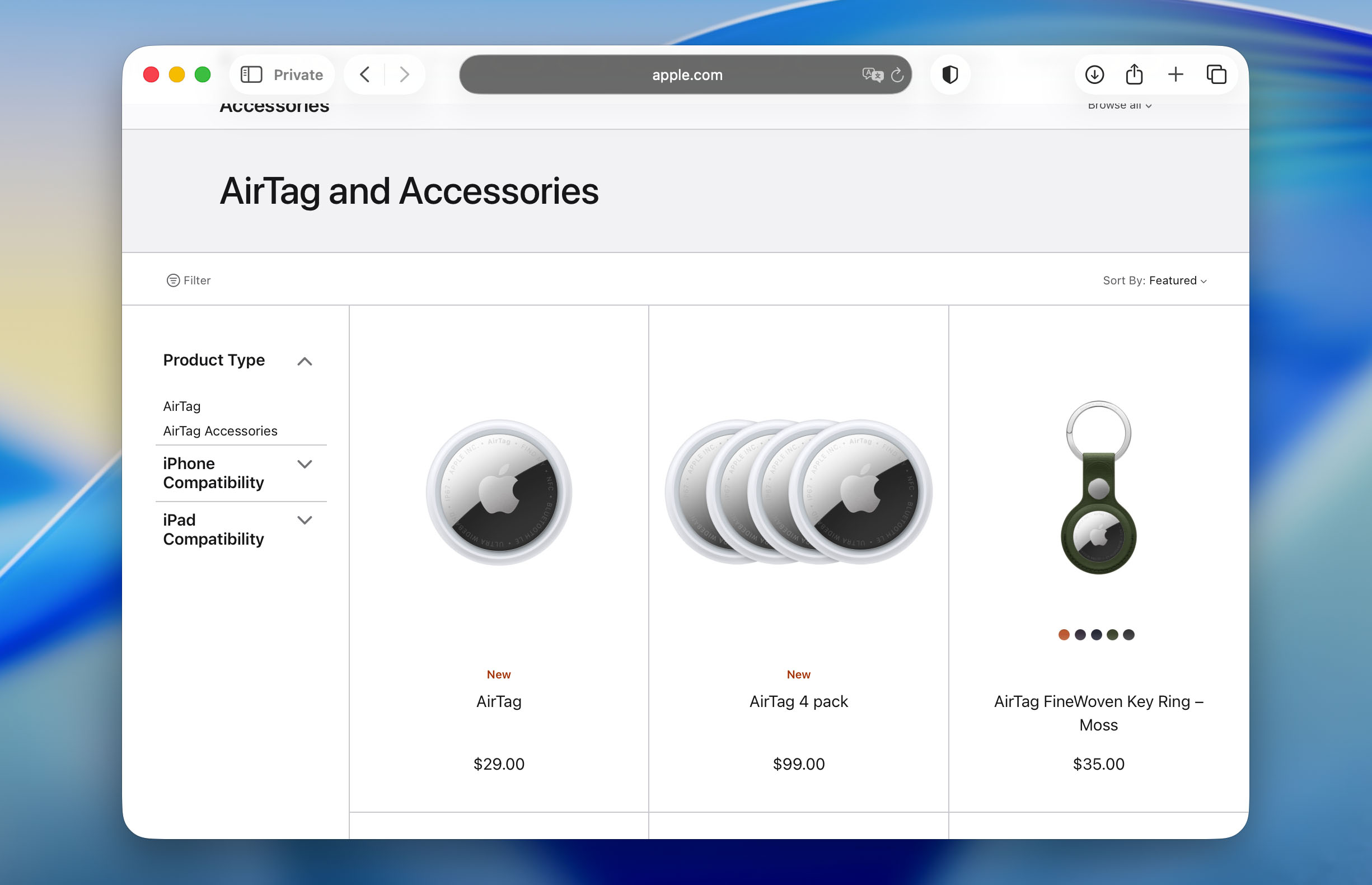
Orders for the new AirTag opened on January 26, the same day Apple announced the product. Retail availability follows later this week through Apple Stores and authorized resellers, and as usual, Apple offers free engraving at checkout. New accessories arrive at the same time.
Final Thoughts
The new AirTag is a solid and sensible update. Of course, this update will not cause the same reaction as a new iPhone or a major iOS release, and it should not. AirTag remains a small accessory with a very specific purpose. It tracks things, and the new version does that job better than before. If you already use an AirTag, the improvements make the experience more reliable. If you never bought one, this version makes a stronger case.